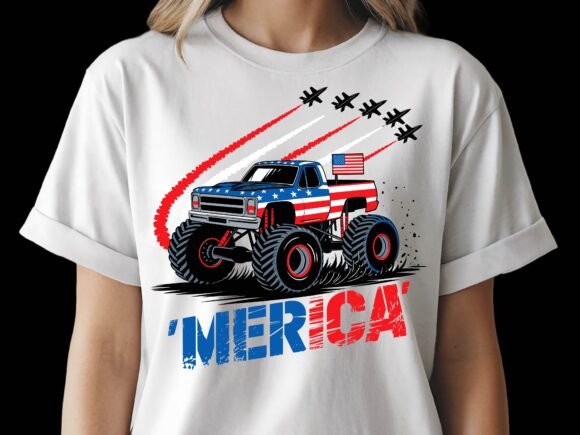
4th of July Monster Truck SVG: Graphics & T-Shirt Designs
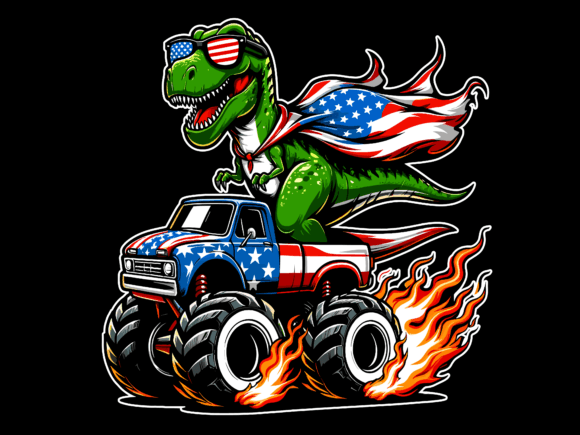
When a new graphic design asset lands on my screen, the first thing I evaluate is whether it can pull its weight inside a real publishing workflow. The 4th of July Monster Truck ‘Merica SVG didn’t just pass that test—it immediately sparked a dozen content ideas. Right away, I could see it anchoring a seasonal blog roundup, sharpening a Pinterest pin, or adding a jolt of personality to a newsletter banner. The mood is unapologetically bold, playful, and soaked in patriotic Americana energy. For bloggers, content creators, and digital publishers building lifestyle, family, celebration, or DIY niches, that kind of immediate editorial clarity is worth its weight in page views.
How a Bold Visual Sets the Content Tone
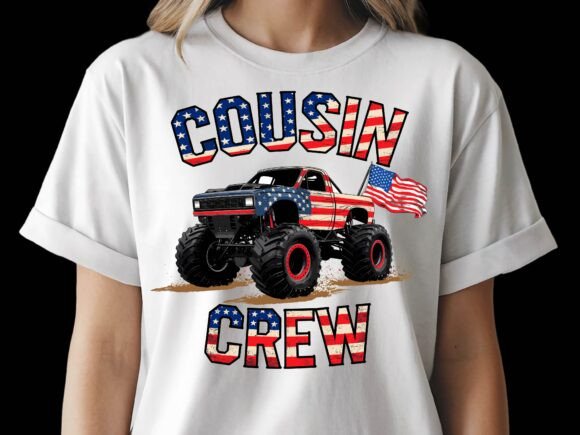
Every image you place on a website carries silent messaging. This asset communicates celebration, horsepower, and a big backyard barbecue vibe—exactly the sort of editorial tone that makes a reader feel invited to stay. The monster truck silhouette, stars, and flag-styled lettering are designed to stop a scroll. When I imagined it as a hero image on a summer content calendar post, the visual hierarchy instantly made sense: the graphic doesn’t compete with a headline, it frames it. The contrast is built in, which is a gift for anyone who has spent too many hours wrestling with overlay text readability. In the world of blog graphics, that’s a serious advantage.
From Digital Download to Multi-Platform Publishing
One detail that often trips up publishers is file format. The 4th of July Monster Truck ‘Merica SVG comes as a print-ready package including SVG, EPS, PDF, and AI. That means you can use it inside Canva, Adobe Illustrator, or any design tool without conversion headaches. I immediately think about firing up a Canva template for a lead magnet—perhaps a “Patriotic Party Planner” printable—and using this graphic as the signature illustration. Because it’s vector-based, the edges stay razor-sharp whether you scale it for a website header or a digital guide cover. And because it’s also a T-Shirt Designs asset, you aren’t locked into screen-only use. You could mock up a product image for an affiliate blog, create a wearable for a small business branding photo shoot, or build a whole line of digital downloads around the theme.
The Print-Ready Advantage for Bloggers
Not every graphic crosses the bridge between digital content and physical products this cleanly. The fact that you can print this design on a sweater, jumper, hoodie, t-shirt, mug, or pillow adds a layer of commercial flexibility that content marketers dream about. For a blog that reviews or recommends custom printing services, you can drop the design onto a mockup and show readers exactly how the finished item will look. The print-ready file formats remove friction—no extra tracing or reworking needed. It’s a practical detail that turns a Graphics download into a content multiplier.
Strengthening Reader Trust Through Consistent Branding
Brand identity isn’t just a logo. It’s the repeated visual signals that make a site feel cohesive. Using the 4th of July Monster Truck ‘Merica SVG across multiple touchpoints—say, a blog post, a Pinterest pin, an email header, and a digital ad—creates instant category recognition. A reader who spotted the graphic on a social media graphic will unconsciously register familiarity when they land on your article thumbnails. That familiarity builds trust faster than any about-page paragraph. In practical terms, it also improves click-through potential because the design is distinctive in a thumbnail feed. Test it at 150 by 150 pixels, and the monster truck silhouette still holds its own against cluttered screens.
Where This Design Delivers Maximum Impact
After years of placing assets into live content pages, I’ve learned which spots reward a graphic like this and which ones punish it. Here’s where it truly shines:
- Hero images and website headers: The generous negative space around the truck and text makes it easy to add a site title or date overlay without clashing.
- Pinterest pins: Vertical formats with the asset placed prominently yield high saves. The Americana theme performs ridiculously well between late May and July.
- Blog featured images and article graphics: A seasonal post instantly feels current and clickable, especially for roundup lists, recipe posts, or event-planning content.
- Newsletter headers: Announcing a summer sale or a 4th of July content series? This design sets the right energetic tone without overwhelming the text.
- Digital products and lead magnets: Use it as a cover graphic for a downloadable worksheet, printable checklist, or eBook. The vector quality holds up when printed on letter-sized paper.
- Category thumbnails: For a blog that organizes posts by holiday or season, the asset makes the category page feel curated and intentional.
When to Hold Back This Graphic
No design asset suits every context. I would use this one sparingly—or not at all—in a few specific situations:
- Very small mobile thumbnails: At extreme sizes, the flag details and lettering may muddy. Always preview at 100 pixels wide before committing.
- Text-heavy blog images: If your featured image needs multiple lines of small text, the busy centers of the design could fight for attention. Stick to short, punchy headlines.
- Low-contrast backgrounds: The design pops on white, cream, or light denim textures. On dark, busy, or similarly patriotic backgrounds, it can lose separation.
- Serious professional niches: A corporate compliance blog or a minimalist finance site would feel a visual mismatch. Reserve it for lifestyle, family, hobby, celebration, and unapologetically casual spaces.
Practical Tests Every Publisher Should Run
Before any graphic goes live on my sites, I run a short workflow. For the 4th of July Monster Truck ‘Merica SVG, here’s exactly what I’d check:
- Desktop and mobile preview: A crisp header on a 27-inch monitor can turn into a puzzling blob on a phone. Simulate both views inside your CMS or Canva.
- Thumbnail legibility: Shrink the graphic to 200 pixels wide and view it alongside other blog thumbnails. Does the silhouette still read clearly? It should.
- Headline pairing: Place the asset into a real article layout with your typical title font. Test sans serif, serif, script, and handwritten fonts to see if the energy stays cohesive.
- Black-and-white version: If the design relies heavily on color for contrast, a grayscale version might lose pop. Export a monochrome variant if you ever need to use it in print-heavy or accessibility-focused layouts.
- File size and web performance: SVG files are usually lightweight, but always run a compression check. A bloated header graphic can tank page speed and hurt SEO.
- Commercial licensing: Confirm your download includes a commercial license if you plan to use the asset on monetized websites, affiliate pages, or paid content products. The included file types strongly suggest print-on-demand rights, but always verify.
Pulling the Graphic Into a Real Content Calendar
Let’s imagine a typical June publishing push. I need a featured image for “15 Red, White, and Blue Desserts,” a Pinterest pin for an affiliate camping gear roundup, and a bright downloadable menu template. I could drop the 4th of July Monster Truck ‘Merica SVG into all three. For the blog post, it becomes a hero graphic with the recipe title overlaid. For the pin, I pair it with a bold sans serif font and a short text overlay. For the printable, it acts as a corner accent that unifies the PDF’s design. By the time July rolls around, the visual identity across my site and social feeds feels curated—almost like a seasonal brand launch—without needing a pro design agency. That kind of editorial coherence doesn’t just look polished; it signals to readers (and to search engines) that this content is worth their click.
Ultimately, a smart digital publisher sees a Graphics download as more than a picture. It’s a building block for stronger visual hierarchy, better reader trust, and more confident content marketing. The 4th of July Monster Truck ‘Merica SVG earns its keep across blog graphics, T-Shirt Designs projects, and a long list of creative applications. Test it inside your own publishing stack, and you’ll likely find it pulling double duty before the holiday season even begins.