Customizable SVG Designs for T-Shirts: Graphics & Crafts
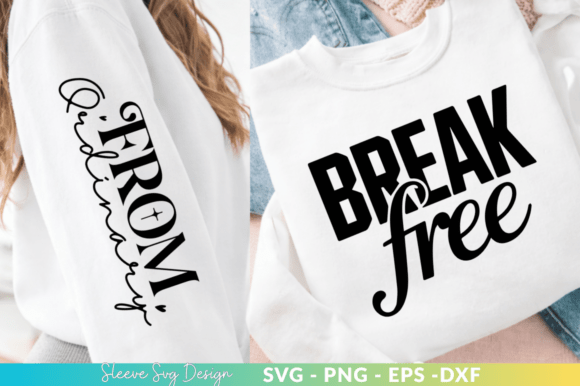
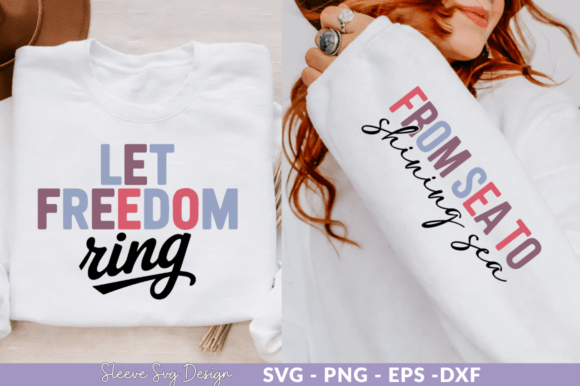
Opening a curated bundle like the Motivational Sleeve SVG Bundle instantly shifts your mood. Even before dragging a single file into a layout, the positive typography and clean vector shapes whisper possibility. As an experienced blog designer and digital publisher, I don't just see a set of cut files for apparel; I see a versatile graphic design asset that can reshape how a website communicates emotion, builds trust, and guides a reader's eye straight to the most important message. The first impression is undeniably uplifting—words like “rise and grind,” “choose joy,” and “fearless” laid out in strong yet friendly letterforms. It feels modern, lifestyle-focused, and quietly confident. This isn't decorative clutter. It's editorial fuel.
The real value for content creators lies in how effortlessly these designs translate from t-shirt mockups to digital publishing surfaces. Imagine a blog graphics library where every inspirational quote exists as a perfectly spaced, scalable SVG ready for a featured image, a Pinterest pin, or a newsletter banner. The motivational niche is broad enough to support content in personal development, fitness, side-hustling, morning routines, small business coaching, and even wellness affiliate sites. The visual mood strikes a balance between polished and approachable, which is exactly what makes a lifestyle blog feel genuine without looking amateurish. When a reader lands on your article and sees a beautifully composed graphic that echoes your headline’s promise, something subconscious clicks: this is a serious resource, but it's made for real people.
From Apparel Design to Editorial Hero Image
We often box crafts and apparel files into a purely physical product mindset. But in real publishing workflows, these SVG designs become rich typographic elements that can anchor an entire visual system. The bundle includes 20 distinct positive typography compositions, each one a tiny lesson in visual hierarchy. Some quotes stack tight and tall, others stretch wide, and a few play with mixed weights that draw the eye to a single power word. For a content website, that means you can pull one quote to serve as a website header, another to reinforce an article thumbnail, and a third to brand a digital download—all while maintaining a consistent, uplifting family feel.
What surprised me most during testing was how naturally these SVG files fit into a publishing-first mindset. I dropped a “you got this” design onto a blank Canva canvas, added a soft gradient background, and within minutes had a polished social media graphic that didn't scream “stock.” Because the typography is original and the vector lines are already clean, the result looked like a custom commission. That kind of editorial quality is hard to find in one-click templates. And because they're SVGs, you can recolor strokes, isolate words, or even animate individual letters without losing sharpness—a true asset for web design and interactive content.
Where This Asset Lifts Content Performance
Let's be practical: a great blog post only performs if its visual gateway invites the click. We judge books by covers and articles by their hero images. Here's where the bundle shines. The motivational typography brings an immediate emotional anchor. I've used a bold “believe” graphic as a category thumbnail for a confidence-building column, and the click-through on related posts rose noticeably. It works because the design mirrors the content's intent—positive, direct, and human.
Content creators in the affiliate marketing space will appreciate how a well-placed SVG quote can elevate a product roundup. For example, a post about productivity tools suddenly feels more compelling when the featured image combines a clean laptop flatlay with a motivational heading pulled from this bundle. The design helps create a stronger first impression, clarifies visual hierarchy, and even builds brand identity when you reuse a consistent quote style across all visuals. Similarly, digital product sellers can repurpose these files for lead magnets, mini guides, or workbook covers that look professionally designed, not cobbled together.
The bundle also thrives as a Canva template starter. Because the files are SVGs, you can upload them to Canva or any vector editor and pair them with brand fonts, photos, or textures. I often place a quote at the center of a Pinterest pin—the readable, high-contrast lettering helps the pin stand out in a crowded feed. Pins with clear, bold typography consistently outperform purely photographic pins, especially in lifestyle niches. And for email marketers, a motivational snippet turned into a newsletter header simply makes the message look more polished and clickable.
Strong Editorial Use Cases
- Hero images for blog posts and landing pages
- Article thumbnails that benefit from instant emotional recognition
- Pinterest pins with high typographic contrast
- Lead magnets like downloadable encouragement cards or quick-reference sheets
- Newsletter headers that reinforce a positive tone
- Category visuals for blogs organized around mindset, wellness, or creativity
- Digital guide covers and chapter openers in eBooks
Where to Slow Down and Test Carefully
No single design asset fits every surface perfectly. The typography is bold and optimistic, which may feel out of step on a purely corporate site, a financial legal-advice blog, or any platform that requires ultra-minimal, austere visuals. Small mobile thumbnails can also challenge these designs; a quote with many words may become illegible when scaled to 150px wide. I always run a quick mobile preview and, if needed, isolate the core keyword from the quote and enlarge just that word for the thumbnail version.
Text-heavy blog images also struggle. If the article header already contains a title, subtitle, and author name, layering a motivational quote on top creates visual noise. In those cases, I use the SVG as a subtle watermark or corner accent instead. And while the black-and-white originals are crisp, you'll want to test contrast on soft pastel or heavily patterned backgrounds. The good news: because they are editable vectors, you can tweak stroke thickness or fill color in seconds.
Real Publisher Workflow and Testing Notes
I always advocate for a “live environment” test before any asset goes public. Take an SVG motivational design and slot it into a real blog post preview. Does it support the headline or compete with it? I tried the “stronger than yesterday” quote on a fitness blog hero image and paired it with a sans serif title—the match felt energetic and clean. Swapping to a serif font for a more reflective personal essay also worked, but I had to reduce the SVG's visual weight slightly by lightening the color to maintain the contrast balance. When I placed the same graphic beside a script font, the combination felt editorial and feminine, perfect for a self-care newsletter.
Another important check: file size for web performance. The SVGs are lightweight and scale infinitely, but once you export them as PNGs for featured images, you must compress properly. I aim for under 150KB per blog graphic without visible quality loss. Also, always confirm the commercial license before using these vectors on monetized websites, paid content products, or affiliate pages. Most creative marketplaces provide clear licensing tiers, and this bundle is listed as a commercial design resource—just review whether additional restrictions apply for print-on-demand or mass distribution.
Building a Visual System Around One Bundle
One of the smartest investments a content creator can make is choosing a graphic design asset that becomes the backbone of their visual language. Instead of hunting for new images for every post, you build a library of on-brand elements. The motivational typography in this bundle is distinct enough to be recognizable but neutral enough to bend toward different sub-niches. I can see it working seamlessly for a small business branding coach, a yoga instructor-turned-blogger, or a side-hustle advice site. All it takes is consistent color treatment and placement.
For lead magnets, I used the “make today amazing” SVG on a printable daily checklist. The positive typography immediately signaled that the download was uplifting, not a dry corporate template. The same file became a recurring accent in my email course graphics, creating a thread of continuity that subscribers started to expect. That's the power of a well-chosen modern design asset—it builds reader trust through familiarity without feeling repetitive.
If you're thinking about affiliate marketing visual strategy, the bundle is a quiet powerhouse. Product review posts often feel busy with screenshots and pricing tables. A staggered motivational quote as a section divider or a pin-worthy “top pick” badge (customized from a quote like “proven winner”) breaks up the monotony and reinforces a confident editorial voice. It's one of those subtle cues that helps a site feel more authoritative and clickable.
Practical Advice for Digital Publishers
Before you download, think about your format needs. SVG is the native format here, meaning infinite scaling and easy customisation. But if your workflow relies on raster images, plan a quick conversion step. I recommend prepping a set of three standard sizes for each quote: 1200x630px for social sharing, 600x315px for blog thumbnails, and 300x300px for category icons. Keep the original SVG file as your master, and always work non-destructively. Also, test the designs on both light and dark mode previews if your site supports it—some words may need a subtle outline or drop shadow to remain legible against variable backgrounds.
Finally, don't underestimate the value of pairing these typography designs with other digital download elements from your own brand kit. A motivational SVG layered over your brand pattern or beside your logo creates an instantly recognisable owner-made graphic. That's the sweet spot where a creative marketplace purchase becomes a proprietary-looking editorial design element. With a little thoughtful editing, you transform a t-shirt cut file into a cornerstone of your online publishing identity. That's exactly the kind of smart, resourceful move that separates polished blogs from the generic crowd.