One Dam Project After Another Funny
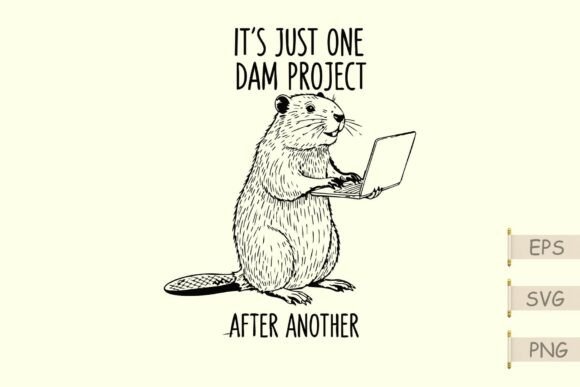
There is something immediately disarming about a chunky little beaver staring back at you with that unmistakably over-it expression. The pun lands before the needle even touches the fabric. One Dam Project After Another Funny reads less like a cheeky throwaway joke and more like a shared exhale among anyone who has ever juggled deadlines, shifting client requests, and the quiet chaos of making things for a living. As an embroidery designer who tests dozens of graphics every month, I learned long ago that a clever phrase alone does not guarantee a satisfying stitch-out. The shape, the detail density, the negative space, the way a line translates into thread, it all matters more than most people realize. This one honestly made me pause, smile, and then immediately start planning a series of custom project bags and desk accessories that my craft business clients would actually fight over.
The Mood Is Half The Sale
Before I ever load a design into my digitizing software, I ask myself what kind of emotional shorthand it gives the finished product. With One Dam Project After Another Funny, the tone is playful, slightly self-deprecating, and deeply recognizable. The beaver carries that exhausted-but-still-going energy that office workers, project managers, freelancers, and especially handmade business owners understand in their bones. It is the kind of graphic that makes someone stop scrolling, chuckle, and tag a coworker. For an embroidery project, that means instant relatability, and relatability sells. When I picture this stitched onto a canvas tote bag carried into a morning meeting or peeking out from a sweatshirt sleeve at a craft fair, I see a product that starts conversations without trying too hard.
The composition feels intentionally balanced. The animal shape grounds the wordplay, and the lettering does not fight the illustration for attention. That matters tremendously in machine embroidery. A graphic designed originally as a printable vector does not always translate cleanly into thread. Overly tight spacing between letters, for instance, can turn into a muddy blob once satin stitches start building up. From what I observe in the base design provided under the T-Shirt Designs and Graphics category, the layout reads clearly, with enough breathing room to maintain legibility across common hoop sizes. I would still strongly recommend a test stitch on a fabric scrap before committing to a final product run, especially if you plan to scale the design up or down significantly.
Where This Beaver Belongs
Not every design fits every blank, and forcing a square peg into a round embroidery hoop is the quickest way to waste thread and patience. One Dam Project After Another Funny feels most at home on medium-sized, flat-surface projects. Think unisex sweatshirts, structured tote bags, canvas zipper pouches, kitchen aprons, and oversized tea towels. The design has enough presence to hold its own without needing a massive stitch area, yet it is not so dense that it becomes stiff and uncomfortable on a garment that sits directly against the skin.
I would absolutely use this on a heavy cotton apron for a home baker who also runs a small Etsy shop on the side. I can also see it stitched onto a denim jacket back panel, sized up slightly for maximum punch. For baby onesies and tiny toddler tees, I would shrink it carefully and test the lettering clarity at that reduced scale. The phrase is workplace humor, sure, but the beaver itself is cute enough to suit nursery decor or a playful baby shower gift, especially on a soft knit blanket or a plush pillow cover where the embroidery adds texture without overwhelming the fabric drape.
Real Stitching, Real Considerations
Here is where years of hands-on embroidery work color my opinion. I look at One Dam Project After Another Funny and immediately think about stitch types. The beaver body likely works best with a combination of satin stitch for outlines and a light fill stitch for larger solid areas. If the design comes as a vector file, I am hopeful the linework is clean enough that a skilled digitizer can create a smooth running stitch for the finer facial details and the text. Blurry cheek whiskers or overly thin beaver teeth will frustrate you at the machine. I have not seen the source file up close, but based on the preview, the shapes appear intentional and not too fragmented.
Dark fabric demands more thought. A design with medium contrast can vanish into a black sweatshirt or a deep navy cap if the thread colors are not adjusted carefully. I would experiment with a warm ochre or golden brown for the beaver body, a soft cream for the teeth, and a crisp white or light gray for the text on darker grounds. On a natural linen or oatmeal-colored tote, darker earthy tones for the beaver paired with charcoal lettering would feel sophisticated rather than cartoonish. The mood shifts dramatically just by swapping a single thread color, and that flexibility makes the design more versatile across product types.
The Project Manager Gift That Actually Feels Personal
Gifting embroidery can easily slide into generic territory. Someone hands you a mug with a printed slogan, and everyone smiles politely. Stitched goods feel different. They carry weight, texture, and a sense of deliberate effort. One Dam Project After Another Funny hits a sweet spot for personalized gifts aimed at the perpetually busy. A zippered pouch embroidered with this design and filled with nice pens, a quality notebook, and a gift card for coffee becomes a genuinely thoughtful present for a project manager, a small business owner, or a creative entrepreneur juggling multiple launches.
From a seller's perspective, this design lends itself beautifully to product photography and mockups. The playful theme photographs well flat-laid on a desk next to a laptop, clipped to a bulletin board, or draped over the arm of a cozy chair. For Etsy listings, clear, well-styled photos increase buyer confidence dramatically. A mockup showing this embroidery on a natural canvas tote next to a steaming mug and a scattered handful of sticky notes tells the story instantly. It is a design asset that does the emotional marketing work for you, which is rare and worth paying attention to.
Navigating Small Hoops And Tricky Fabrics
My most honest piece of advice sounds boring, but it saves projects. Check your smallest usable hoop size against the actual stitched dimensions of the design before you commit to a hundred onesies or a batch of baby beanie hats. Narrow lettering in punny phrases tends to shrink poorly. If the text portion of this design dips below about a quarter inch in height when scaled down, expect some thread breaks and reduced legibility. I would keep One Dam Project After Another Funny at a minimum width of around three inches for safe stitching, and closer to four or five inches for truly crisp letterform edges.
Stretchy fabrics like performance tees and thin jersey call for a reliable cut-away stabilizer and possibly a water-soluble topper to prevent the stitches from sinking into the knit. I learned that lesson the hard way on a batch of soft modal-blend shirts. Curved surfaces such as baseball caps and structured bucket hats add another layer of complexity. The beaver shape, being somewhat round and compact, actually suits a cap front fairly well, but I would digitize with some extra underlay stitching to secure the design on the curved twill. Testing on a scrap panel before hooping the final cap saves a lot of heartbreak.
Translating Humor Into Handmade Value
There is a strange alchemy that happens when humor meets handmade craftsmanship. A funny digital print on a fast-fashion tee feels disposable. The same joke rendered in thread on a well-made, small-batch product suddenly feels like a collector's item. One Dam Project After Another Funny sits squarely in that alchemical zone. The beaver is charming without being childish, and the pun lands without needing a paragraph of explanation. For boutique branding, that is ideal. A small shop owner can build a cohesive collection around this theme, pairing it with coordinating simplified leaf motifs, tiny acorn accents, or even a companion design featuring a different overworked animal.
From a commercial embroidery standpoint, I appreciate designs that do not require an excessive number of thread changes. A clean three or four color palette keeps production moving and reduces downtime. This design appears manageable for a single-needle machine with mindful color sequencing, grouping all brown tones together, running the lettering pass, and finishing with any small highlight stitches. Shops running multi-needle machines will breeze through it even faster. That practical efficiency means higher margins on finished products without sacrificing the handmade feel buyers want.
Where Caution Serves You Well
I would pause before putting this design onto extremely plush fabrics like thick fleece or high-pile sherpa. The lettering risks disappearing into the texture, and the beaver's fine details will blur. Similarly, ultra-thin performance wear that requires extensive washing should be approached with care. Embroidery holds up well to laundering when properly digitized and stabilized, but the inherent physicality of thread means that repeated rough cycles can cause friction wear over time. A gentle wash bag and cool dryer setting keep the design looking fresh, and I always include a care card with my embroidered products to set buyer expectations.
For those planning to sell finished items featuring this design, confirming the licensing terms is non-negotiable. The product description mentions it as a digital download suitable for print on demand and includes formats like EPS, SVG, and PNG, which suggests broad commercial flexibility for physical products. However, you must verify that selling embroidered goods created from the file is explicitly allowed under the license you purchase. Do not assume what the terms cover. Check, screenshot, and keep records. That small administrative step protects your shop and your relationship with the original designer.
The Patch Potential Is Real
I have a soft spot for embroidered patches, and One Dam Project After Another Funny practically begs to become one. A merrowed edge patch with this design would sell brilliantly at craft markets, stuck onto jean jackets, laptop cases, and cork boards. The compact, friendly shape works perfectly for patch formats, and the humor travels well across demographics. A teenager sticks it on a backpack. A remote worker irons it onto a hoodie. A boutique owner sews it onto handmade denim aprons. Each use case feels organic, never forced.
If you are a small shop owner who sells digital embroidery files or finished patches, running a small batch of these patches as a test product could give you quick feedback on demand. Photograph them in natural light, style them with simple props, and write listing copy that speaks directly to the tired, caffeinated, and wonderfully stubborn people who power through one project after another. The design does the heavy lifting, you just need to show it clearly.
Final Practical Notes From The Embroidery Bench
Before you thread your needle and hoop up, run through this mental checklist. Test stitch on a fabric similar to your final product. Adjust thread colors for contrast, especially on dark or heavily textured backgrounds. Check that your hoop comfortably accommodates the full design without crowding the edges. Inspect the digitized file for stitch density, making sure solid areas do not become bulletproof and fine details do not disappear. If you plan to use the design as part of a larger digital product preview or printable mockup, verify color accuracy and resolution so your customers see exactly what they will receive.
One Dam Project After Another Funny earns its place in a working embroidery library because it connects emotionally, stitches practically, and offers genuine versatility across handmade goods, custom apparel, personalized gifts, and small-batch merchandise. It knows exactly what it is, a tiny monument to perseverance wrapped in fur and puns, and that honest self-awareness translates beautifully into thread. My only real complaint is that I did not think of it first.