Softball Grandma T-Shirt PNG SVG – Embroidery Designer’s Real Use Review
First Look at the Design Personality
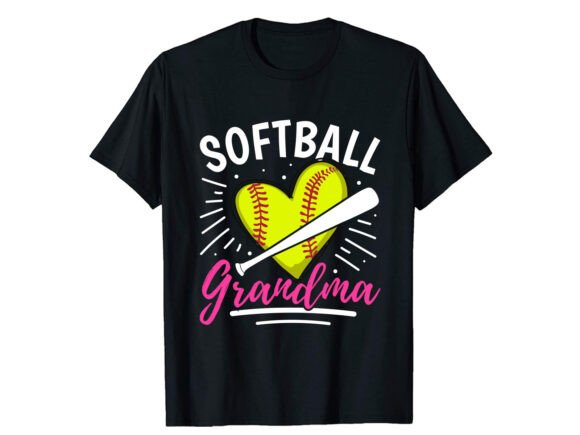
When I first opened the Softball Grandma T-Shirt PNG SVG file, the thing that stood out wasn’t just the graphic itself, it was the mood it immediately set. This isn’t a loud, overly sporty design. It feels warm, a little sentimental, and rooted in that special connection between a grandmother and the game she loves watching from the bleachers. The wording carries pride without shouting, which is exactly what I look for in a machine embroidery design meant for personalized gifts. The layout reads well at a glance, balanced enough for a chest placement on a raglan tee but also scaled big enough to anchor a tote bag panel without feeling lost.
I could picture this stitched out on a soft heather gray sweatshirt right away. The shapes don’t feel cluttered. There is breathing room around the lettering and visual elements, which matters when you start converting something into an embroidery file and need clean satin stitch paths, not a muddy mess of tiny overlaps. The personality is approachable, exactly the kind of thing a boutique shop owner could confidently add to a “game day grandma” collection.
Where This Design Shines in Real Stitching Projects
If you run a small handmade product business or sell on Etsy, you already know that some designs look beautiful as flat digital previews but become a headache once thread hits fabric. The Softball Grandma T-Shirt PNG SVG falls into a much more practical category. The overall visual weight, line thickness, and thematic clarity make it a strong candidate for multiple product types without requiring hours of editing. I immediately envisioned it on a premium unisex t-shirt for a grandmother attending a weekend tournament, but that’s just the starting point.
Tote Bags and Everyday Carry Pieces
A canvas tote bag with this design stitched near the top third would stop people at craft fairs. The text and imagery combination is sentimental enough that a shopper picks it up not just for themselves, but as a thoughtful gift. When I think about tote bag embroidery, stabilizer choice matters heavily here. The graphic is not overly dense, so a medium-weight cutaway stabilizer with a topper on textured canvas should preserve the clean lines. I wouldn’t use anything flimsy; canvas pulls on loose stitch columns, and the crispness of this design depends on those letterforms holding shape.
Hoodies, Crewnecks, and Cozy Apparel
A crewneck sweatshirt with this design stitched across the chest in a muted thread palette feels like an instant bestseller for boutique fall collections. The emotional hook is undeniable. Grandmothers wear their pride differently than parents, often preferring softer color stories and less aggressive graphics, and this fits that vibe. Stitch density becomes less of a worry on fleece because the loft absorbs slight imperfections, but I’d still test a sample first. Fleece can shadow through if the underlay is too aggressive, so walking the stitch length down slightly on the running stitch underlay keeps the front smooth.
Kid’s Apparel and Baby Gift Sets
There’s a growing market for grandma-themed baby bodysuits and tiny tees. While this design was clearly created with adult sizing in mind, scaling it down carefully opens up a sweet opportunity. I’d be cautious shrinking it too far. The line spacing needs to remain legible, and if the design includes decorative flourishes, those thin bridge areas could turn into thread nests on a onesie if not tested first. For a baby shower gift set, I’d pair this as a small left chest embroidery on a creeper, then use a larger version on a matching burp cloth or baby blanket, keeping the thread colors soft pastels with just enough contrast to stay readable.
Hats, Caps, and Curved Surfaces
Structured caps are trickier territory. A design like Softball Grandma T-Shirt PNG SVG works better on a relaxed dad hat or a visor than on a high-profile trucker cap with a steep curve. The horizontal flow of the text means the arc of the hat can distort alignment if not repositioned carefully in the hoop. I’d treat this as a center-front patch instead, actually. Embroidering it as a standalone embroidered patch with a merrow border and then stitching it onto a cap allows for precise placement and avoids the dreaded curved-text warping. Plus, patches sell incredibly well at tournaments and team events as impulse add-ons.
Stitchability and Fabric Compatibility Considerations
Not every digital embroidery file translates gracefully from screen to stitch. Here, the visual design suggests a pretty digestible stitch breakdown. The lettering likely converts best to satin stitch columns, while any decorative icons or background shapes lean toward fill stitch regions. What I appreciate is that it doesn’t appear to demand constant thread changes. A clean two-tone or three-tone palette keeps the machine running smoothly and the production time realistic for small shop owners who are manually trimming between colors.
Fabric selection will make or break the finished piece. On smooth, stable wovens like quilting cotton or linen tea towels, this design will look crisp and professional. On high-stretch performance fabrics, I’d strongly advise a no-show mesh stabilizer and a basting box to prevent shifting. For dark fabric, a light underlay or topper becomes critical so the design doesn’t disappear visually. I always test new design assets like this in both a black and white digital mockup before stitching, because a design that glows on a white screen can feel flat on a navy sweatshirt if the thread color value isn’t adjusted.
Thoughts From a Real Custom Order Scenario
Last month, a customer asked me to create something for her mother, a softball-obsessed grandma who never missed her granddaughter’s games. She wanted a personalized zip hoodie. I mentally auditioned several designs before settling on one like Softball Grandma T-Shirt PNG SVG. The mood was right. The request was specific: she wanted it to feel special but not flashy, something her mom could wear to chilly evening games without feeling like a walking billboard.
I tested the design on a medium gray French terry hoodie, using charcoal thread for the main text and a soft coral accent for a small decorative element. The result looked stitched in, not printed on, which is exactly the handmade feel people pay boutique prices for. The customer’s reaction confirmed what I suspected: when the design respects the wearer’s identity, not just the sport, the product value jumps significantly. That single order led to two more requests from teammates’ families who saw it at the next game.
What Catches a Buyer’s Eye on Etsy or a Craft Table Display
Buyer engagement for grandma-themed products hinges on emotional resonance, not technical specs. Still, the finished product has to look polished enough to justify the price. I’ve seen too many sellers upload a basic design, run it with poor tension, and wonder why it doesn’t sell. The Softball Grandma T-Shirt PNG SVG has the kind of visual appeal that, when stitched correctly, makes a customer stop scrolling. It photographs well on folded merchandise, works in flat lays with a few props like a worn softball or bleacher ticket, and fits the handmade aesthetic without looking homemade.
For craft business owners, this design can anchor a whole sub-collection. Imagine a “Grandma’s Game Day” bundle: a matching sweatshirt, a zipper pouch, and a keychain patch, all using variations of this same artwork. That sort of cohesive branding builds recognition and repeat buyers. It also makes your Etsy store feel curated, which commands higher price points.
Practical Embroidery Designer Notes Before You Stitch
If you’re like me, you never trust a new file until you’ve run it on scrap material. I’d take the same approach here. Test the design at your intended final size on a fabric swatch that matches the texture and stretch of your production piece. Check how thin lines behave; some SVG conversions leave tiny hairline strokes that become fragile in thread. If the file hasn’t been pre-digitized as an embroidery format, you’ll need to digitize it yourself or use software to generate stitch paths, which introduces another layer of testing.
Pay attention to stitch density where different elements meet. Overly dense areas can create stiff patches that feel uncomfortable against the skin on a t-shirt. On the flip side, too loose a fill stitch on a tote bag can leave background fabric showing through in a way that looks unfinished. I typically run a sample, wash it once, and then inspect the thread tension and any puckering. With a design like this, giftability is high, but only if the piece holds up through wear and laundry.
Using the Design Responsibly for Commercial Projects
One area I never gloss over is licensing. The product description mentions the Softball Grandma T-Shirt PNG SVG can be used for a long list of physical products: t-shirts, stickers, mugs, bags, labels, and more. That suggests broad commercial usability, but I always verify personally. Before I stitch this onto merchandise destined for my shop or a client’s order, I contact the seller or check the license terms. Does it allow unlimited physical product sales? Is there a cap on units? Can I modify the colors for thread matching? These are essential questions that protect your business and keep everything above board. Even if the design is marketed under T-Shirt Designs and Graphics, the actual terms matter more than the category.
Small Adjustments That Elevate the Finished Product
One trick I’ve learned is to play with thread texture. While the base of the design might stitch out in smooth satin and fill, consider swapping one small element for a specialty thread, maybe a subtle metallic for a star or a soft matte for a background shape. This adds tactile interest without altering the artwork. I’ve also pulled a small section of the design onto the sleeve of a raglan tee, keeping the main graphic on the chest and a tiny coordinating motif on the cuff. That kind of thoughtfulness is what separates a mass-produced item from a truly personalized handmade piece.
For sellers using this as part of a printable mockup or digital product preview, the PNG and SVG formats let you create realistic placement visualizations. I use those to show clients exactly how the embroidery will sit before I hoop anything. That preview builds trust and often seals the sale.
When to Use This Design and When to Hold Back
The Softball Grandma T-Shirt PNG SVG works beautifully when the project calls for warmth and personality, but it isn’t a one-size-fits-all solution. For ultra-small hoop sizes, like a 4x4 hoop on a baby headband, the details would suffer. On heavily textured knits or waffle weaves, the lettering could lose legibility. I’ve also learned to avoid placing designs with this much horizontal presence on dart seams or princess seams without adjusting placement.
Think about the end user. A grandmother receiving this as a holiday gift will notice every detail. She’ll run her fingers over the stitching. The pressure is on the maker to deliver a smooth, snag-free surface with no thread breaks. That’s not intimidating, it’s just the standard I hold myself to, and I think the design has the potential to meet that standard with proper setup.
Why I’d Keep This in My Digital Library
After years of reviewing and using embroidery design files, I’ve become selective. I delete anything that doesn’t pull its weight or requires too much rework. The Softball Grandma T-Shirt PNG SVG earns a permanent spot because it fills a niche that keeps popping up in custom requests. It straddles sporty and sweet, it adapts to multiple product types without losing character, and the emotional draw is genuine. When I stitch it out, I don’t feel like I’m just applying a graphic. I feel like I’m making something that tells a small story about family and pride on a piece of fabric. That’s the kind of design that builds a loyal customer base and makes the work meaningful.