The Baba Design: A Warm and Practical Embroidery Asset
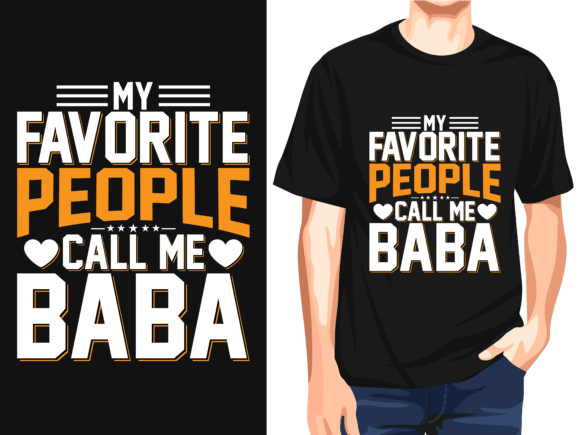
When I first open a new embroidery design file, my mind immediately starts translating the digital image into a real, stitched product. I’m not just looking at the artwork; I’m imagining the thread hitting the fabric, the customer’s reaction, and how it will hold up over time. That’s exactly the process I went through with My Favorite People Call Me Baba Vector. This isn't a simple review; it's a professional assessment of how this graphic performs as a real-world embroidery asset for crafters, decorators, and small business owners.
A First Impression Built on Warmth and Personality
The mood of this design is immediately clear: it’s affectionate, personal, and warmly familial. The central, stylized "Baba" text acts as a friendly anchor, surrounded by decorative elements that suggest love and connection. As a designer, I appreciate that the layout isn't overly crowded. There’s a clear visual hierarchy, which is crucial for embroidery. Too many tiny competing details can become a muddy mess of stitches, but this design feels thoughtfully composed. Its personality leans toward the sentimental and handmade, making it a natural fit for personalized gifts and family-oriented products.
Where This Design Shines in Real Projects
Thinking through my recent project queue, I can see My Favorite People Call Me Baba Vector fitting seamlessly into several real-life scenarios. Imagine a client requesting a custom gift for a grandparent. An embroidered tote bag or a cozy pillow cover with this design would carry that heartfelt message beautifully. For a small shop specializing in baby items, this could become a lovely addition to a blanket or a simple sweatshirt, creating a "Baba" keepsake. The design's theme lends itself perfectly to boutique merchandise—think aprons, kitchen towels, or caps for a craft fair stall—where the emotional connection drives sales.
Its application as an embroidered patch is particularly strong. The defined borders and central focus make it ideal for creating a standalone patch that could be applied to a backpack or a jacket, offering versatility. For apparel decorators, it naturally belongs on the center of a sweatshirt or the front of a relaxed t-shirt, where the sentiment can be displayed proudly. In my experience, designs with this clear, affectionate message often perform well as holiday gifts or wedding presents for family members, adding a layer of personalization that generic designs lack.
Visual Appeal and Customer Trust in the Stitched Result
Once embroidered, the success of a design hinges on clarity and craftsmanship. My Favorite People Call Me Baba Vector, with its balanced layout, should translate into clean stitching. The likely use of satin stitches for the main text and fill stitches for the decorative elements can create a pleasing tactile texture. This clarity directly impacts product value and customer trust. A well-executed embroidery from a clear file looks professional; it feels like a quality handmade product, not a cheap transfer. For an Etsy seller or creative entrepreneur, that professionalism builds brand consistency and buyer engagement. A customer receiving a baby item with this design neatly stitched is more likely to return for another personalized gift.
Practical Considerations for Optimal Stitching
Every design has its ideal applications and its points for careful handling. Here’s my practical judgment on where to use, and where to pause, with this Baba design.
It will likely excel on medium-weight fabrics like cotton tote bag material, sweatshirt fleece, or quilted pillow cover fabric. These substrates provide a stable base for the stitches without too much texture interfering. On curved surfaces like caps, the design’s relatively central focus could work well, provided you take care with stabilizer to manage the curve.
I would approach the following situations with a bit more caution:
- Very Small Hoop Sizes: If the design is scaled down significantly, the decorative details and any smaller lettering might lose definition. Test on scrap fabric first.
- Highly Textured or Stretchy Fabrics: Knits or loose-weave textures can distort the clean lines. A strong stabilizer is non-negotiable here.
- Dark Fabric Backgrounds: Always check your thread color contrast. A white or light-colored thread scheme might be needed to maintain visual pop on dark garments.
- Products Requiring Frequent Washing: For items like kitchen towels or baby clothes, ensure your stitch density is appropriate—too dense can make the fabric stiff, too loose might not withstand washes. Again, testing is key.
Essential Designer Notes Before You Hoop the Fabric
Before you commit this design to a final product, especially for commercial use, a few straightforward steps will save you time and ensure quality.
- Test on Scrap Fabric First. Use the same material and weight as your final project. This reveals how the stitch density feels, how small details render, and whether any thread color adjustments are needed.
- Check it in Black and White. View the design file in a simple mockup on both light and dark backgrounds. This helps you plan thread palettes for different applications.
- Confirm Licensing for Your Use. The product description mentions it’s for use on various products, but as a professional, I always verify the specific license terms before selling finished items or including it in my digital product listings. Ensure it covers commercial embroidery if that’s your intent.
- Mind the Fabric-Stitch Relationship. On thin fabrics, a design with substantial fill areas might require a lighter stitch setting or a different stabilizer strategy to prevent puckering.
Ultimately, My Favorite People Call Me Baba Vector strikes me as a reliable and emotionally resonant embroidery file. It’s not a overly complex technical challenge, which is often a benefit for makers at various skill levels. Its true value lies in its application—it’s a design that turns a simple garment or home good into a personalized story. For the crafter making a one-off gift, or the small business owner building a line of family-themed merchandise, it provides a solid, appealing foundation. Your craftsmanship in stitching it will bring that warmth to life.